

Brake Repair Marion, Iowa: Warning Signs You Shouldn’t Ignore

When it comes to your vehicle, few systems matter more than your brakes. They’re the difference between stopping smoothly at a red light and a frightening near-miss. And because brakes often wear down gradually, many drivers don’t realize something’s wrong until the warning signs become impossible to ignore.
If you’ve been searching for brake repair Marion IA, this guide is designed to help you understand what your brakes are trying to tell you—before a small issue becomes a costly or dangerous one. At Frank’s Country Auto, we’ve been the trusted name in auto repair for years, helping Marion-area drivers stay safe with honest inspections, clear explanations, and repairs done right the first time.
For a free quote, reach out to us at https://www.frankscountryauto.com/
Why brake problems deserve immediate attention
Brakes don’t usually fail without warning. They whisper first—subtle noises, slight vibration, a pedal that feels “a little different.” Those whispers are your opportunity to fix the issue early, protect your vehicle, and avoid bigger repair bills.
Here’s a statistic that puts it into perspective: national roadway safety analyses have found that brake-related issues are a contributing factor in tens of thousands of crashes over time, and brake wear is one of the most common vehicle safety concerns on the road. The good news is that most brake problems are highly preventable—when you respond early.
How your braking system works (in plain English)
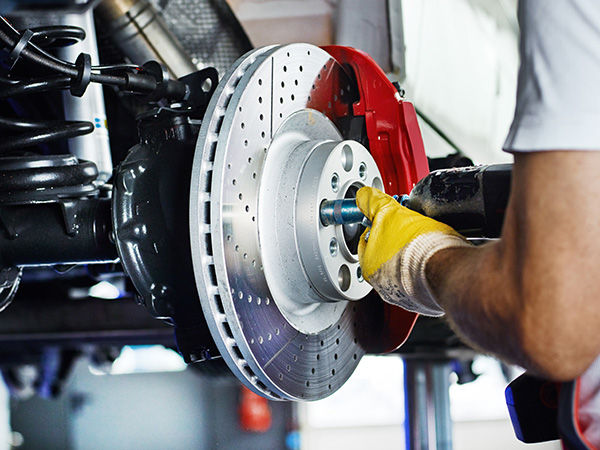
Understanding the basics makes it easier to spot trouble. Most vehicles use disc brakes on the front wheels (and often the rear as well). The key parts include:
Brake pads: The friction material that presses against the rotor to slow the wheel. Pads are designed to wear out over time.
Brake rotors: Metal discs that the pads clamp onto. Rotors can wear, warp, or develop grooves.
Brake calipers: The component that squeezes the pads against the rotor.
Brake fluid and brake lines: Hydraulic fluid transfers the force from your pedal to the calipers.
Master cylinder: Creates hydraulic pressure when you press the brake pedal.
When everything is healthy, pressing the brake pedal results in smooth, consistent stopping. When something is wrong, your car will usually give you clues.
The warning signs you shouldn’t ignore
1) Squeaking brakes
Squeaking brakes are one of the most common early signs drivers notice—and the causes range from “normal wear” to “time to schedule service.”
Common reasons for squeaking include:
Brake pads wearing thin (many pads have built-in wear indicators that squeal as a warning)
Glazed pads or rotors (often from heat)
Dust or debris between the pad and rotor
Low-quality friction material in older pads
One squeak doesn’t always mean disaster, but recurring squeaking—especially when braking normally—usually means it’s time for an inspection. Catching worn pads early can prevent rotor damage, which helps keep repair costs down.
What we do at Frank’s Country Auto: We measure pad thickness, inspect rotor condition, check hardware and caliper movement, and explain what you’re hearing and why.
2) Grinding brakes
If squeaking is a whisper, grinding brakes are a shout.
A grinding sound often means the brake pads have worn down so far that metal is contacting metal—essentially the backing plate rubbing against the rotor. When that happens:
Stopping power can drop
Rotors can be severely damaged
Calipers and brake hardware can be stressed
Repair costs can rise quickly
Grinding can also be caused by a stuck caliper, a rock lodged in the brake assembly, or severe corrosion—but either way, it’s not something to wait on.
If you hear grinding, avoid unnecessary driving and get your brakes checked immediately.
3) Vibration or pulsation when braking
Does the steering wheel shake when you slow down? Does the brake pedal “pulse” under your foot?
This can point to:
Warped brake rotors
Uneven rotor wear
Loose suspension or steering components (sometimes mistaken for brake issues)
While warped rotors are common, we never assume. A proper brake repair visit should include checking rotor runout, pad wear patterns, and related components to make sure the real cause gets fixed.
4) Longer stopping distance
If your car takes noticeably longer to stop, that’s a serious red flag. Causes may include:
Worn brake pads
Contaminated brake pads (oil/grease exposure)
Failing calipers
Poor-quality friction material
Brake fluid issues
Drivers sometimes adapt without realizing it—braking earlier, pressing harder—until a sudden stop becomes unavoidable. Don’t wait for that moment.
5) Brake pedal feels “soft,” “spongy,” or sinks
A soft pedal is often tied to hydraulic problems such as:
Air in the brake lines
Old or moisture-contaminated brake fluid
Leaking brake lines
Master cylinder issues
Brake fluid is hygroscopic, meaning it can absorb moisture over time. Moisture can reduce braking performance and increase corrosion risk. If your pedal feel changes, it’s time to have the system inspected.
6) Pulling to one side while braking
If your vehicle pulls left or right when you brake, it may indicate:
Uneven pad wear
A sticking caliper
Brake hose issues restricting fluid flow
Suspension or alignment concerns contributing to instability
Pulling is a safety issue because it affects control—especially in rain, snow, or emergency braking situations.
7) Burning smell after braking
A sharp burning odor after braking can indicate overheated brakes. This may happen after hard braking or driving downhill, but persistent smells can point to:
A dragging caliper
Stuck parking brake
Overheated pads/rotors
Heat is the enemy of braking components. Overheating can accelerate wear, glaze pads, and damage rotors.
8) Brake warning light or ABS light
Dashboard lights aren’t decorations. A brake warning light can signal several issues, including:
Low brake fluid level
Parking brake engaged (sometimes)
System pressure concerns
ABS system faults (for ABS light)
Even when the car still “seems to stop fine,” warning lights deserve attention—especially in winter driving where traction and stability are already challenged.
Brake pads vs. brake rotors: what usually needs replacement?
Many drivers ask a fair question: “Do I need pads, rotors, or both?”
Brake pads
Brake pads wear down naturally. If caught early, you may only need pads and associated hardware service. Replacing pads on time is often the best way to keep rotors in good condition.
Brake rotors
Rotors can become:
Grooved (from worn pads)
Warped (from heat cycles)
Thin (from wear)
Rusted (especially with long sitting or harsh winter conditions)
Sometimes rotors can be resurfaced depending on thickness and condition. Other times replacement is the safest and most reliable option. The key is not guessing—measuring and inspecting.
At Frank’s Country Auto, we explain rotor condition clearly and recommend what makes sense for safety and longevity.
How often should brakes be inspected?
There’s no single mileage number that fits everyone because driving habits and conditions matter:
Stop-and-go traffic wears brakes faster
Hilly routes increase heat and wear
Towing or heavy loads add strain
Winter conditions can accelerate corrosion
A good rule of thumb: have brakes inspected during routine maintenance visits and any time you hear new noises or feel changes in braking behavior.
Why local drivers trust Frank’s Country Auto for brake repair in Marion, IA
Choosing a shop for brake repair Marion IA isn’t just about getting the car to stop. It’s about confidence—knowing the diagnosis is correct and the repair is done with care.
Frank’s Country Auto has served Marion-area drivers for years by focusing on what matters most:
Clear communication: We explain what we find, what it means, and what your options are.
Accurate diagnostics: We inspect pads, rotors, calipers, brake fluid condition, and related components.
Safety-first recommendations: We prioritize what protects you on the road without pressure tactics.
Work you can feel: Smooth stops, reduced noise, reliable performance.
When brakes are involved, “good enough” isn’t good enough.
A real customer testimony
Here’s what one of our customers had to say after coming to us for brake concerns:
“My brakes started squeaking and I assumed it would be a huge bill. Frank’s Country Auto walked me through exactly what was going on, showed me what was worn, and gave me options without pressure. The car stops smoother than it has in years, and I felt respected the whole time. I won’t go anywhere else.”
That’s the experience we aim to deliver every day—honest service, clear answers, and safe repairs.
What to do if you notice symptoms today
If you’re hearing squeaking brakes or grinding brakes, or you’re worried about brake pads or brake rotors, here’s the smartest next step:
Avoid aggressive driving and leave extra space
Don’t ignore the sound and hope it disappears
Schedule an inspection and get a clear plan
Brake problems almost always get more expensive when delayed. Early action protects your wallet and your safety.
Frequently asked questions
“Are squeaking brakes always a sign I need new pads?”
Not always, but frequent squeaking is commonly linked to pad wear or heat-related glazing. An inspection can confirm the cause quickly.
“If I replace brake pads, do I automatically need rotors?”
Not automatically. Rotors should be measured and inspected. Sometimes they’re in great shape; sometimes they’re worn or warped and need attention.
“Why do my brakes grind only sometimes?”
Intermittent grinding can be caused by debris, uneven pad wear, or components that are starting to fail. Because it can become constant suddenly, it’s best to get it checked.
Schedule brake repair in Marion, IA with Frank’s Country Auto
When it comes to brakes, the safest choice is the informed choice. If you’ve noticed any warning signs—noises, vibrations, pulling, or a change in pedal feel—don’t wait.
Frank’s Country Auto is proud to be the trusted leader in auto repair for years, serving Marion drivers with dependable brake inspections and repairs that put safety first.
For a free quote, reach out to us at https://www.frankscountryauto.com/
You have not enough Humanizer words left. Upgrade your Surfer plan.


Comments